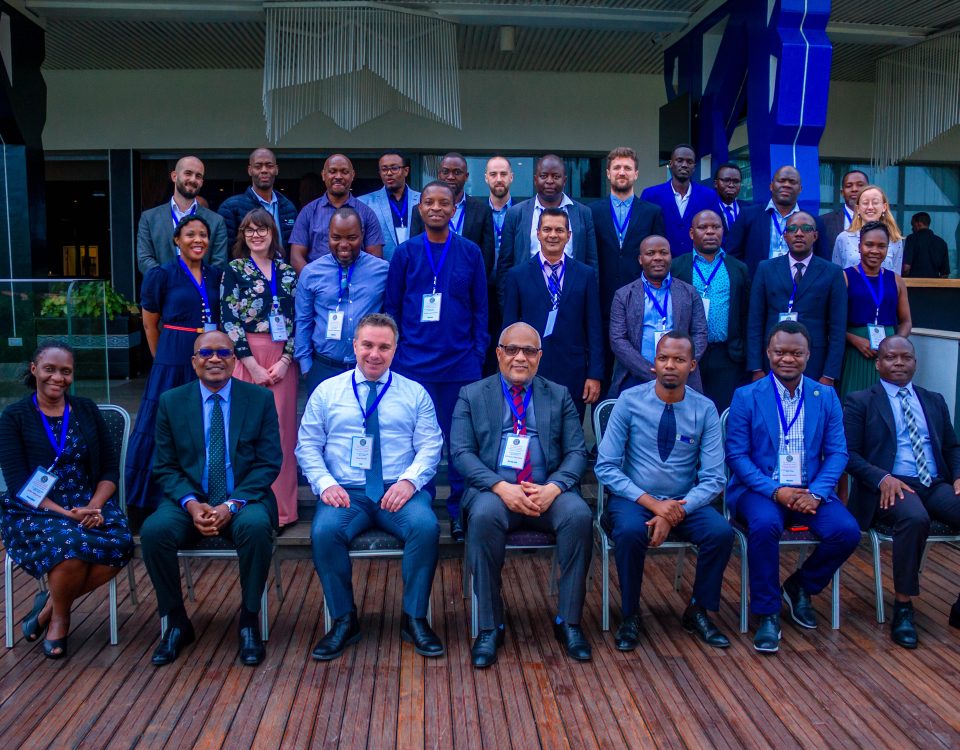
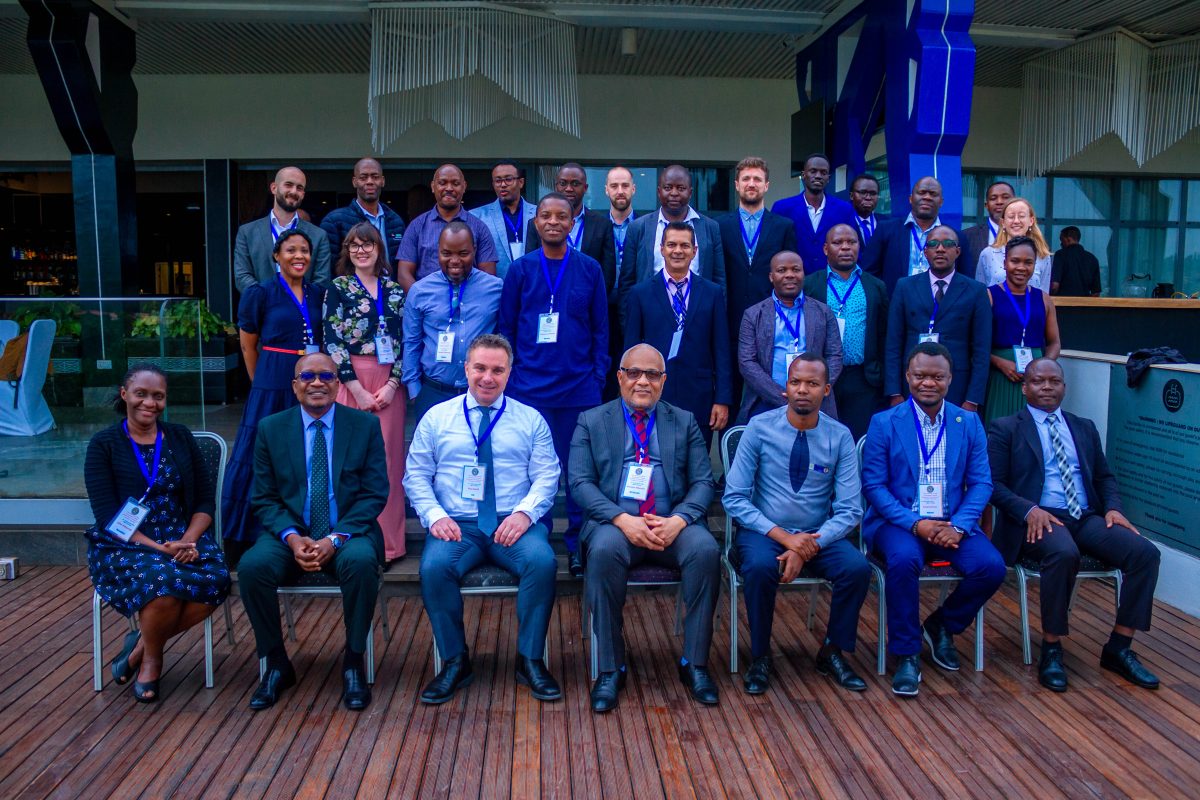
In our second Thanzi Labwino (Better Health) online showcase, hosted in partnership with ECSA Health Community, the project team shared insights from forthcoming research publications on the theme ‘Economic Evaluation of Disease Elimination and Modelling Neglected Tropical Diseases’.
The Thanzi Labwino (Better Health) project, funded by the Global Institute for Disease Elimination (GLIDE), aimed to generate new tools and evidence to address neglected tropical diseases in East and Southern Africa. Generating evidence alone is not enough. As such, we organised the end of project showcase events to not only share our findings with the ECSA-HC Health Economics Community of Practice – which includes academics and policymakers from ministries of health and finance in the ECSA region – but to discuss how this evidence can be used to support disease elimination efforts, and receive their valuable feedback.
Key Research Highlights
‘Valuing and prioritising efforts to eliminate infectious neglected tropical diseases’
Jessica Ochalek presented work on the development of a framework to inform prioritisation by estimating the net health benefit of elimination strategies – accounting for the health benefits of disease elimination, the value of any cost savings to the country, and the potential health benefits that might have been gained from other potential uses of the same money. The paper uses a stylised multi-disease example and a real-world application to lymphatic filariasis in sub-Saharan Africa.
‘When Is Elimination of an Infectious Disease Cost-Effective? An Analytical Framework to Guide Elimination Priorities’
Presenting synergistic work developed alongside the above paper, Sayara Ahmed and Hugo Turner shared an analytical framework developed that can be used to theorise the value of disease elimination and demonstrate the complex interplay within the factors using a multidimensional model. Many economic analyses conducted to evaluate the economic benefits of such elimination programmes overlook some of the factors that determine the value of elimination. This work highlights that the economic value of disease elimination programmes is a complex problem.
‘Linking transmission dynamics and economic evaluation to assess schistosomiasis programme strategies across districts in Malawi’
Tara Mangal’s presentation introduced a novel, health system–integrated transmission and economic modelling framework developed within the Thanzi La Onse individual-based model, designed as a practical decision-support tool for policymakers and donors. By linking district-level transmission dynamics with real-world care pathways, delivery constraints, and opportunity-cost–based economic evaluation, the approach moves beyond traditional modelling to assess not only epidemiological impact but also fiscal feasibility and value for money across heterogeneous settings.
Expert Reflections: Research into Policy
A core pillar of the Thanzi Programme is facilitating greater collaboration between researchers and policymakers. Regional experts provided critical insights on how to translate these findings into action.
- Dr Dale Mudenda (University of Zambia) praised the presentations as “very relevant” and insightful, highlighting the importance of data to provide evidence to policymakers. He highlighted that complete elimination of NTDs can be very costly, asking whether policymakers should spend huge sums of money on elimination, or focus on reducing transmission.
- Nelson Mbongiseni Mathobela (Ministry of Health, Eswatini) noted the difficult decisions to be made regarding prioritising, given resource constraints – asking: what is the cost and timelines of elimination, and should decision makers target one disease, or work on all at the same time? Further, he raised the important, and timely, reflection that stakeholders must advocate for domestic financing – but that (complementing the previous comments) data is needed to inform this advocacy.
You can watch the presentations by clicking ‘play’ in the video below, or view the video on the Thanzi Programme YouTube channel.
Thanzi Labwino Publications
The work presented here is either in write up or under peer review, and will be shared through Thanzi Programme channels in due course when published.
Other Thanzi Labwino publications available:
- Using economic analysis to inform health resource allocation: lessons from Malawi.
- Guiding Health Resource Allocation: Using Population Net Health Benefit to Align Disease Burden with Cost Effectiveness for Informed Decision Making.
- High Health System Performance, Low Health System Resilience: Navigating Vulnerability – an illustrative example using Small and Island States
- Health Financing and Systems in African Small and Island States: Unique Challenges and Opportunities in achieving Universal Health Coverage
Further publications, from across Thanzi Programme projects, are available on our website; see Published Work.
Previous webinars are also available on the Thanzi Programme YouTube channel.
Follow the Thanzi Programme on LinkedIn, Bluesky, or X (Twitter) to stay informed on future news, events, and research insights.
By: Kath Devlin | March 2026