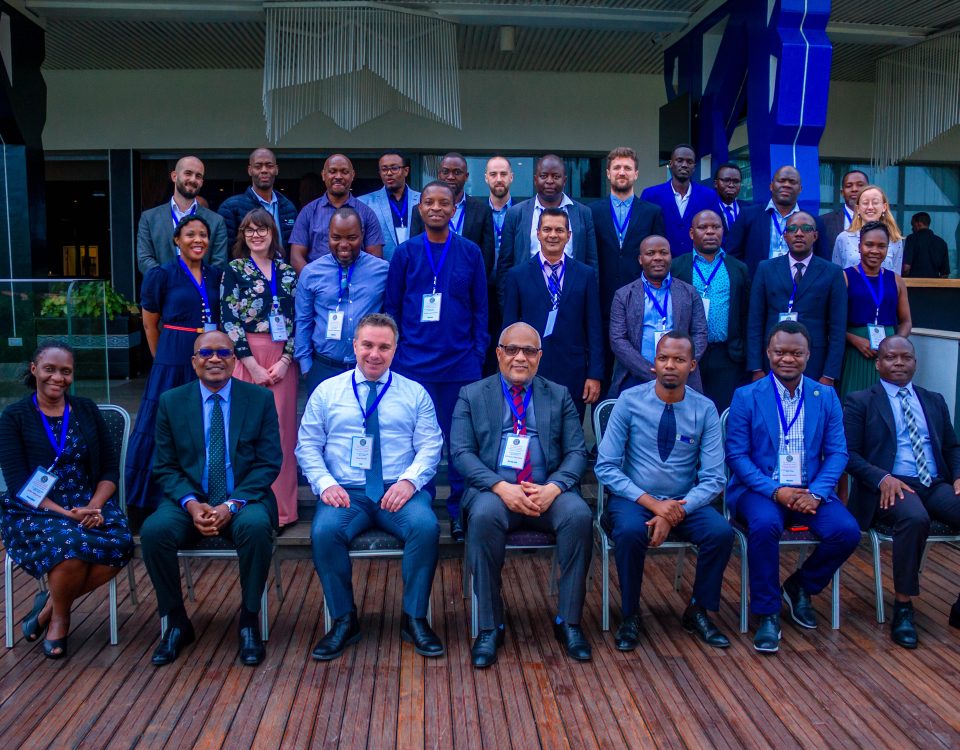
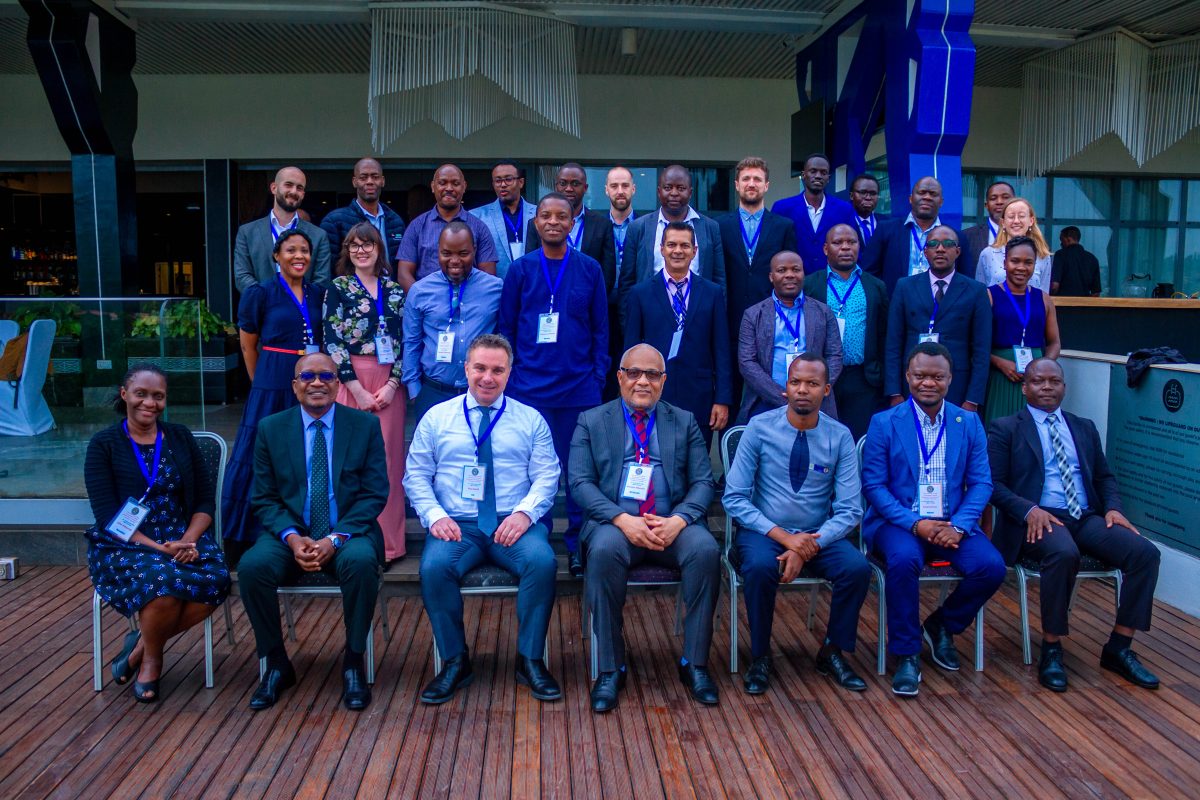
The Thanzi Labwino (Better Health) project team, in partnership with ECSA Health Community, recently hosted the first of two online showcase events, on the theme ‘Building Sustainable Health Systems: Community Health and Health System Resilience’.
Since December 2022, with support from the Global Institute for Disease Elimination (GLIDE), the team has worked to generate new tools and evidence to address neglected tropical diseases in East and Southern Africa. As the project concludes this month, these sessions were an opportunity to share our findings with the ECSA-HC Health Economics Community of Practice, receive feedback, and discuss how this evidence can be used to support disease elimination efforts.
Key Research Highlights
‘Redesigning National Health Service Delivery: The Case for Community-Based Providers in Uganda’
Megha Rao, in collaboration with colleagues at Makerere University, presented research on the transition of Uganda’s national community health strategy. As part of its national community health strategy, Uganda is moving from a fragmented mix of providers toward a more structured, integrated community health platform for delivering care. This work presents national-level evidence on the impact of community-based providers that can be effectively embedded within Uganda’s existing health system.
‘Health system performance, vulnerability and resilience in African small and island states’
Following the theme of building sustainable health systems, Finn McGuire presented findings on the unique structural vulnerabilities faced by Small and Island States. These states face distinctive structural vulnerabilities and repeated climate, economic, and epidemiological shocks, which may impede – among other things – health system performance and resilience. The research examines whether, in the face of these unique challenges, health system performance in African small and island states health systems has been negatively affected, and whether this has led to increased focus on building resilience.
Expert Reflections: Research into Policy
A core pillar of the Thanzi Programme is facilitating greater collaboration between researchers and policymakers. Regional experts provided critical insights on how to translate these findings into action.
- Prof Sunil Bundoo (University of Mauritius) commended the team’s work as “important and timely”, noting that resilience often receives insufficient attention. Whilst acknowledging the challenges, including recent shocks caused by drastic cuts to aid, and important budget constraints, he highlighted the need for dedicated funds to improve health system resilience.
- Palesa Mashoai (Ministry of Health, Lesotho) emphasised that policymakers must view health as an investment, rather than an expenditure. Sharing challenges experienced following abrupt donor cuts – where some community services were funded and deployed by development partners – Palesa noted the need for alignment and integration of services at the public health care level, regardless of funding source.
Recording & Further Resources
You can watch the presentations by clicking ‘play’ in the video below, or view the video on the Thanzi Programme YouTube channel.
The work presented by Finn McGuire has been published, and is available open access:
- High Health System Performance, Low Health System Resilience: Navigating Vulnerability – an illustrative example using Small and Island States
- Health Financing and Systems in African Small and Island States: Unique Challenges and Opportunities in achieving Universal Health Coverage
Further publications, from across Thanzi Programme projects, are available on our website; see Published Work. Previous webinars are also available on the Thanzi Programme YouTube channel.
Follow the Thanzi Programme on LinkedIn, Bluesky, or X (Twitter) to stay informed on future news, events, and research insights.
By: Kath Devlin | February 2026